

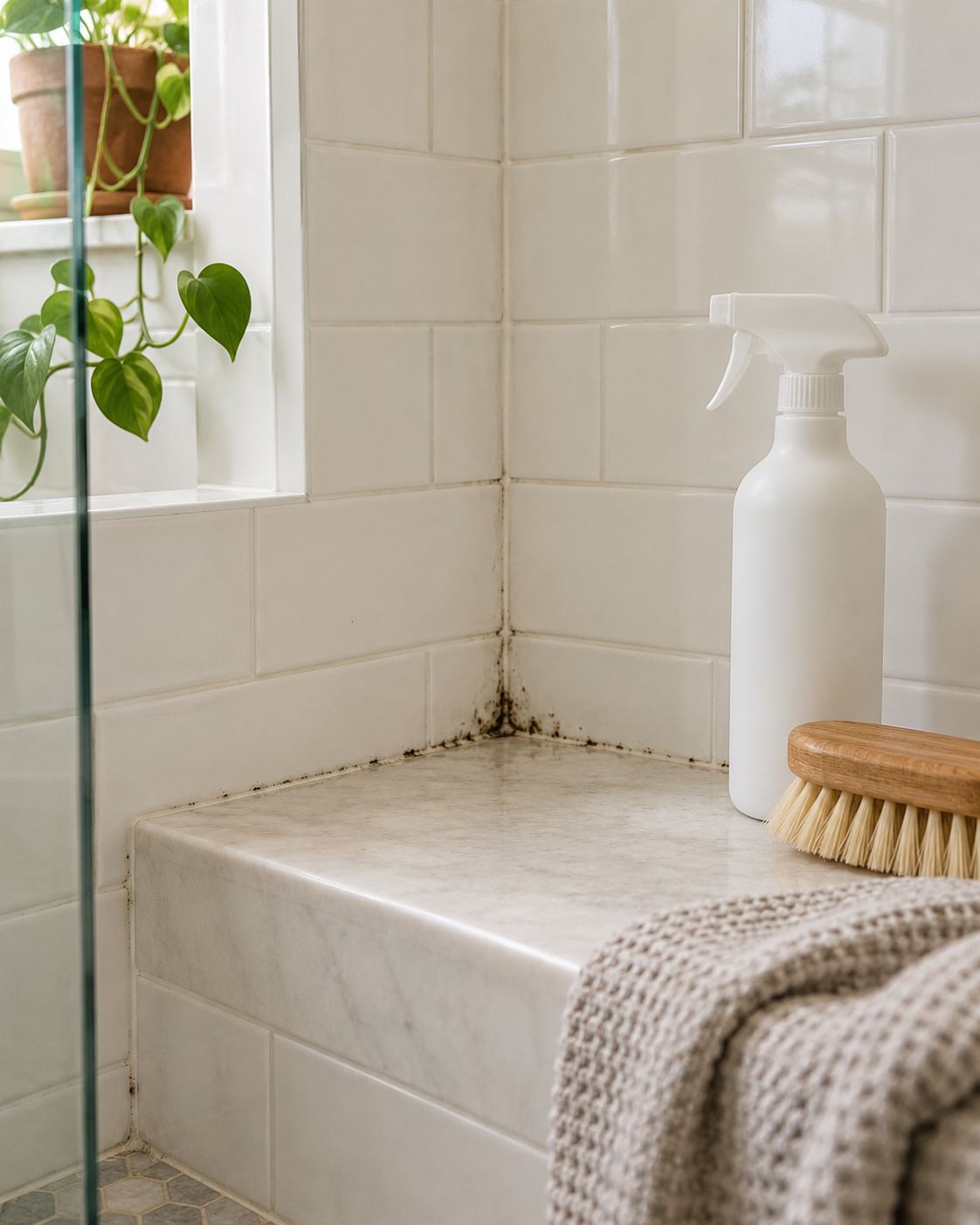
Call a pro instead if the moldy area is bigger than about 10 sq ft or came from flooding or sewage. Same if anyone at home has asthma, allergies, or a weak immune system. Never mix bleach with ammonia or other cleaners.
What you'll need
You probably have these
Tick them off as you find them.
Only if you're missing something
- N95 masksA small pack$10 to $20
- Long rubber glovesElbow length is best$5 to $10
- Goggles without vent holesKeeps spores out of your eyes$8 to $15
Links go to Amazon. Prices shown are estimates. As an Amazon Associate we earn from qualifying purchases. How we make money
The fix
- 1
Find the water
Look for a leak, condensation on windows, or a damp room with no airflow. Fix that first.
You'll know it's right whenYou know why the wall got wet.
- 2
Measure the patch
The EPA says areas under about 10 sq ft, about 3 ft by 3 ft, are usually fine to clean yourself. Bigger than that, stop here.
You'll know it's right whenYour patch is smaller than 3 ft by 3 ft.
- 3
Put on your gear
Wear an N95 mask, long rubber gloves, and goggles without vent holes. Open a window.
You'll know it's right whenYour hands, nose, mouth, and eyes are covered.
- 4
Scrub with soapy water
Mix a little dish detergent in warm water. Scrub the mold off with a damp sponge or soft brush.
You'll know it's right whenThe stain lifts off and the wall looks clean.
- 5
Dry it completely
Wipe off extra water. Point a fan at the spot and keep the room aired out.
You'll know it's right whenThe wall feels dry to the touch within a day or two.
- 6
Check the drywall
Press gently on the spot. Look for soft, crumbling, or stained-through drywall.
You'll know it's right whenFirm and clean means you're done. Soft or stained-through means it needs replacing.
- 7
Bag the rags
Put sponges and rags in a sealed plastic bag and throw them out. Wash your clothes.
You'll know it's right whenNothing moldy is left lying around.
Clean wall, dry room, problem source fixed. That's a real win.
Why it happens
Mold spores float around in every home, all the time. They only grow when they land somewhere that stays damp. A slow leak, a cold wall that collects condensation, or a steamy room with no fan is all it takes. Fix the moisture and the mold has nowhere to grow.
 Edie's tip
Keep indoor humidity below about 50 percent with a fan, a dehumidifier, or better airflow behind furniture.
What not to do
- Painting over it
Mold keeps growing under the paint. Clean it and fix the moisture first.
- Mixing bleach with other cleaners
Bleach plus ammonia or acids makes toxic gas. The EPA doesn't recommend bleach as a routine mold cleaner anyway.
- Dry brushing
Scrubbing dry mold sends spores into the air. Keep the surface damp while you clean.
- Skipping the water source
If the wall keeps getting wet, the mold will be back in weeks.
When to call a pro
Call a mold remediation pro if the area is bigger than about 10 sq ft or the mold came from flooding or sewage. Call too if it's inside your heating or cooling ducts, or it keeps coming back. If anyone in your home has health concerns, talk to a doctor too. Badly affected drywall has to be cut out and replaced.
Questions
Is black mold more dangerous?
Color doesn't tell you much about the type. Any mold indoors should be cleaned up and the moisture fixed. Treat all of it with the same care.
Should I test the mold?
Usually not. The EPA says testing isn't needed in most cases, since every kind gets cleaned the same way.
I rent. What should I do?
Tell your landlord in writing right away. The leak or moisture source is usually their job to fix.
Can I use vinegar?
Plain detergent and water works for hard surfaces. Whatever you use, never mix it with bleach.
Written by the DIY Project team and checked against manufacturer instructions. How we check
Updated October 2, 2026.
See something wrong? Tell us.